Best Home Espresso Machines With Grinders (2026)
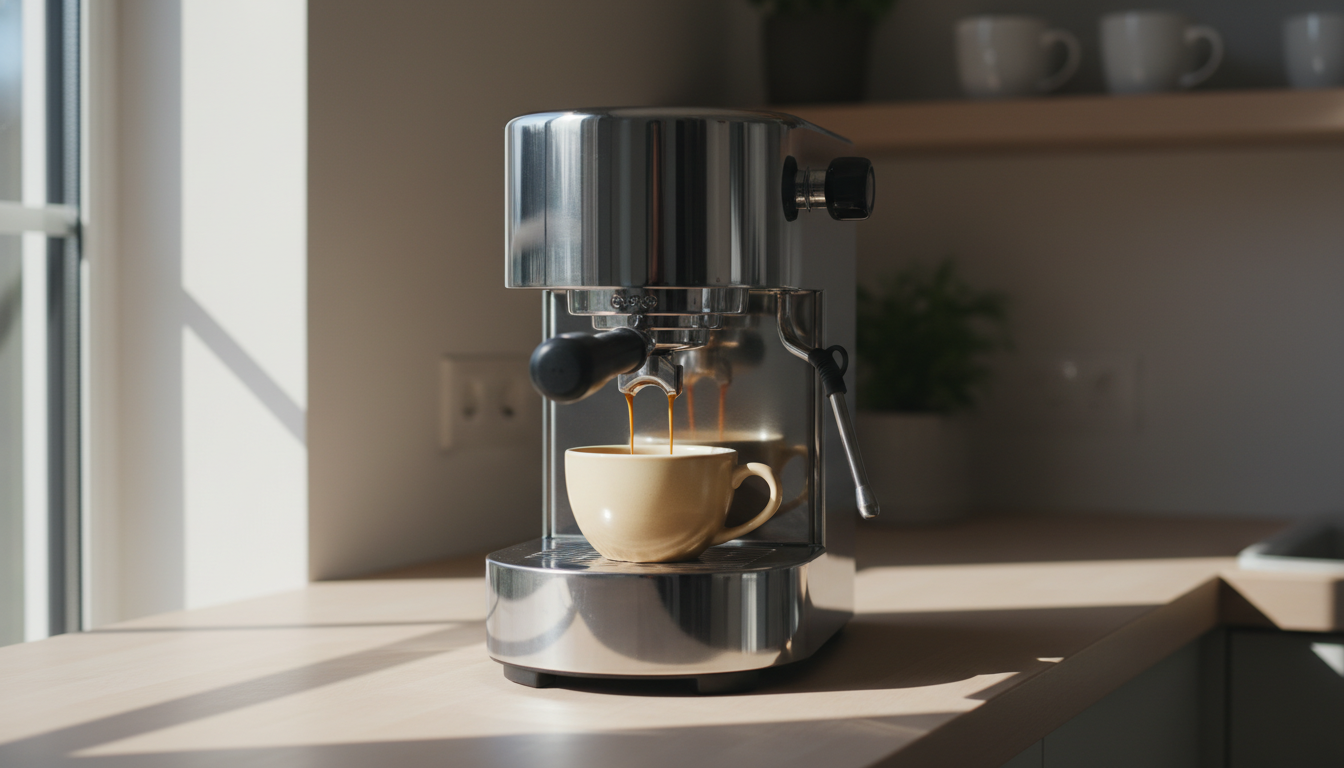
Combo espresso machines promise one device, less counter clutter, and a faster morning routine. The honest answer is that some deliver and some don’t, and the grinder quality is almost always where the gap shows up. This guide names specific machines, explains what the community actually says about them, and tells you when a combo makes sense versus when you’re better off buying separately.
Why the Grinder Is the Real Variable
Most combo machines pair a decent espresso boiler with a mediocre burr set. The grinder is where manufacturers cut costs, and a poor grinder will limit your espresso quality no matter how good the brewing side is. Blade grinders are a hard pass. Conical burrs are common in this category. Flat burrs at this price point are rare.
What you’re looking for is stepless or fine-stepped grind adjustment, a burr diameter of at least 50mm, and enough range to dial in for espresso (which is a very fine, very precise grind). Owner reports across Amazon and Home-Barista forums consistently flag that narrow grind adjustment and doser clumping are the two most common complaints with built-in grinders.
The Top Picks, Ranked by Value
Breville Barista Express (BES870XL) is the most-reviewed machine in this category for a reason. It pairs a 54mm conical burr grinder with a 15-bar pump and a thermocoil heating system. Grind adjustment has 25 settings, and owner reports across thousands of reviews consistently describe a real learning curve but a rewarding outcome. Street price is around $700. It’s not cheap, but the grinder is genuinely usable for espresso, not just a marketing checkbox.
The Breville Barista Pro (BES878BSS) steps the Barista Express up with a ThermoJet heating system (faster heat-up, around 3 seconds) and a sharper LCD interface. The grinder is the same 54mm conical. It runs about $100 more than the Express. The main functional difference is heat-up speed and the interface, not grinder quality. If you pull shots back-to-back in the morning, the ThermoJet is a real convenience improvement.
For something more capable, the Breville Oracle (BES980XL) automates the dosing and tamping, not just the grinding. It has a 58mm flat burr grinder, dual boilers, and pulls closer to a prosumer experience. Price sits around $2,000 street. Reviews from serious home baristas describe it as genuinely good hardware, with the caveat that you’re giving up manual control over tamping, which matters if you care about technique.
The Budget Option Worth Considering
The De’Longhi La Specialista Arte comes in around $500 and gives you a built-in tamper station alongside the grinder, which genuinely reduces the mess of the workflow. The burr grinder has 8 grind settings, which is fewer than the Breville options and limits dialing-in flexibility. Community feedback on forums like r/espresso notes it as a capable beginner machine but one that you’ll outgrow faster.
De’Longhi’s La Specialista Prestigio adds a sensor grinding system and dual heating elements. It runs closer to $800. The sensor dosing is useful if consistency matters more than manual control, but reviews note the grinder still lags behind the Breville Barista Pro at a similar price.
When a Combo Machine Makes Sense
A combo is a smart buy if counter space is tight, your budget is under $1,000, and you’re pulling one or two shots a day rather than running a household operation. The Barista Express hits that use case well.
It starts to make less sense once your budget crosses $1,500. At that level, separating a quality grinder (like the Eureka Mignon Specialita or a Niche Zero) from a mid-range single-boiler machine gives you better grind quality and more upgrade flexibility long-term. The combo machines at the high end are convenient, not superior to separates.
What Buyers Actually Report
Across Home-Barista, Reddit’s r/espresso, and Amazon verified purchase reviews, the consistent pattern is this: combo machine buyers who stick with their setup are the ones who invested time in dialing in the grinder. The machines that get listed for sale within six months are almost always from buyers who expected hands-off results.
The Barista Express specifically has a documented learning curve of around two to four weeks before most users report pulling consistently good shots. That’s normal for espresso. Anyone selling “easy espresso” is underselling the process.
Maintenance is also worth factoring in. Built-in grinders mean one more cleaning cycle tied to your machine. The Breville units have removable hoppers and accessible burrs, which makes monthly cleaning straightforward. De’Longhi’s cleaning process gets mixed marks in owner reports.
Bottom line: The Breville Barista Express is the default recommendation for most buyers in this category. It has the most community support, a usable grinder, and a proven track record. Step up to the Barista Pro for faster heat-up, or the Oracle if budget allows and you want automation. Avoid the category entirely below $400 since the grinders at that price don’t do espresso justice.
Where to buy
- Breville Barista Express
- Breville Barista Pro
- Breville Oracle
- De’Longhi La Specialista Arte
- Eureka Mignon Specialita